If you build forklifts, construction machinery, non-agricultural tractors or their parts in Mexico and sell them to the United States, the amount of U.S. content in your product now has a direct, defined effect on the Section 232 duty your customer pays. On October 14, 2026, the U.S. Department of Commerce published guidance in the Federal Register telling U.S. Customs and Border Protection (CBP) what counts as "U.S. content" for USMCA-qualifying goods from Mexico and Canada.
This article explains the rule, the products it covers and what Mexican exporters should prepare. It is general information, not legal advice. Reviewed on November 14, 2026.
What changed and from when
The background is Proclamation 11032 of June 1, 2026, which adjusted the U.S. Section 232 tariffs on aluminum, steel and copper. For a specific list of machinery, set out in its Annex I-C, the proclamation created temporary rates that run from June 8, 2026 through December 31, 2027:
- The default additional duty on those products is 25%.
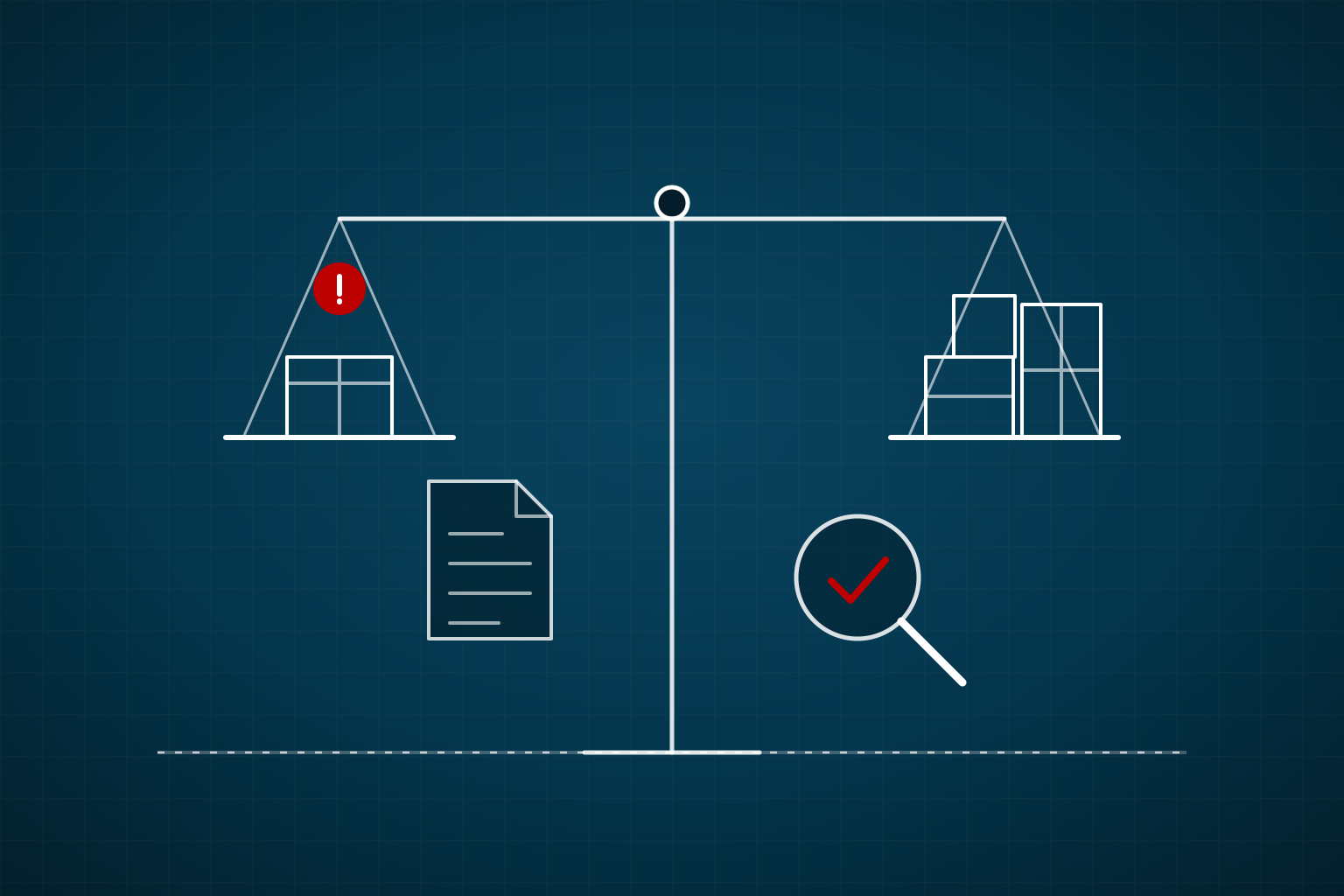
- For products of Mexico and Canada that qualify for USMCA preferential treatment, the 25% applies only to the non-U.S. content of the product, and the total effective duty may not fall below 15%.
The proclamation left one question open: what exactly is U.S. content? It instructed the Secretary of Commerce to issue guidance to CBP. That guidance is the notice published on October 14, 2026 (91 FR 65162). It defines U.S. content in two parts:
- The value of the product attributable to parts wholly obtained, entirely produced or substantially transformed in the United States.
- To the extent not already counted in the first part, the value attributable to steel melted and poured in the United States, or aluminum or copper smelted and cast in the United States.
The definition applies to goods entered for consumption, or withdrawn from warehouse for consumption, on or after 12:01 a.m. Eastern Time on October 14, 2026. The notice does not set or change any rate; it only defines U.S. content. For questions about a specific product, it refers importers to CBP.
Which products are covered
Annex I-C of the proclamation lists 28 subheadings of the U.S. Harmonized Tariff Schedule (HTSUS), classified as derivative steel articles. In summary:
- Forklifts and other works trucks with lifting or handling equipment (heading 8427).
- Self-propelled earthmoving machinery (heading 8429): bulldozers, graders, scrapers, road rollers, front-end loaders and excavators.
- Parts under subheadings 8431.20.00, 8431.42.00 and 8431.49.90.
- Single-axle tractors and tractors not for agricultural use (certain subheadings of heading 8701).
- Mobile cranes and mobile drilling derricks (8705.10.00 and 8705.20.00).
If your product is not classified in one of those 28 subheadings, this rule does not apply to it, although other Section 232 measures may. Confirm the HTSUS classification with the U.S. importer and its customs broker; the Mexican tariff classification is not the reference here.
How the duty is calculated
Annex IV of the proclamation created two HTSUS headings for these goods, and CBP's filing guidance (CSMS #68855869) explains how to use them on two lines of the same entry:
- Heading 9903.82.20, 25%: the non-U.S. content, plus any U.S. content above 40% of the value of the article.
- Heading 9903.82.21, no additional Section 232 duty: the U.S. content, up to 40% of the value of the article.
Both lines carry the USMCA special program indicator "S". CBP's instruction is explicit that no more than 40% of the value may be reported under heading 9903.82.21.
The 40% limit is what produces the 15% floor. Here is an illustration with round numbers, not taken from any real entry, for a machine with an entered value of US$100,000:
- With US$20,000 of U.S. content, the 25% applies to US$80,000: US$20,000 of Section 232 duty, an effective 20%.
- With US$40,000 of U.S. content, the 25% applies to US$60,000: US$15,000, an effective 15%.
- With US$55,000 of U.S. content, only US$40,000 can be reported at 0%. The duty is still US$15,000.
In other words, each additional dollar of documented U.S. content reduces the duty until U.S. content reaches 40% of the value. Beyond that point there is no further saving.
Who is affected
- Mexican manufacturers and exporters of the machinery and parts listed in Annex I-C. The duty is normally paid by the U.S. importer of record, but the price your customer can accept depends on it.
- U.S. importers of that machinery, who must state the amount of U.S. content of each article and provide the information CBP requires.
- Suppliers of parts and metal to those manufacturers. A U.S.-made component, or steel melted and poured in the United States, now has a measurable value for the final customer.
The benefit depends on USMCA qualification. A machine assembled in Mexico that does not meet the USMCA rule of origin does not fall under this treatment.
What to do now
- Confirm the HTSUS subheading against the 28 listed in Annex I-C.
- Confirm USMCA origin and keep the certification of origin current. Without USMCA qualification, the U.S.-content rule does not apply.
- Build a U.S.-content breakdown per model. List each part with its origin, value and supporting document. For metal, ask suppliers for mill certificates showing where the steel was melted and poured, or where the aluminum or copper was smelted and cast.
- Do not count the same value twice. The second part of the definition only covers value not already counted in the first.
- Calculate where you stand against 40%. If you are at 25% or 30%, sourcing more U.S. components may lower the duty. If you are already above 40%, more U.S. content does not help.
- Agree with your importer who keeps which records. The proclamation directs CBP to impose penalties, to the extent the law allows, when an importer commits fraud or deliberately misleads the government about U.S. content. The figures must be supportable.
- Plan for 2028. Headings 9903.82.20 and 9903.82.21 are terminated for goods entered on or after January 1, 2028. Long-term contracts should not assume this treatment continues.
For the wider picture of trading between the two countries, see Shipping to Mexico from the USA and our USA–Mexico import and export compliance tips. The division of costs and risk between seller and buyer is covered in our Incoterms guide.
Frequently asked questions
What counts as U.S. content for Section 232 on machinery from Mexico?
The value of parts wholly obtained, entirely produced or substantially transformed in the United States, plus, if not already counted, the value of steel melted and poured, or aluminum or copper smelted and cast, in the United States. This is the definition in the Commerce notice of October 14, 2026.
What is the lowest Section 232 duty a USMCA-qualifying machine from Mexico can pay under this rule?
An effective 15% of the value, reached when U.S. content is 40% or more. The proclamation sets that floor.
Does this rule apply to all steel and aluminum products exported from Mexico?
No. It applies to the 28 HTSUS subheadings in Annex I-C, and only when the product qualifies for USMCA preferential treatment.
How long does the U.S.-content treatment last?
The temporary rates run through December 31, 2027.
How Flux Forwarders can help
Flux Forwarders coordinates cross-border and international freight between Mexico and the United States with a network of agents and licensed customs brokers. We do not issue tariff rulings, but we can help you line up the shipping documents with what your importer needs to file. Contact us or request a quote.
Sources
- Guidance to U.S. Customs and Border Protection Regarding the Assessment of "U.S. Content", Federal Register, October 14, 2026 (91 FR 65162)
- Proclamation 11032, Further Adjusting the Tariff Regimes for Imports of Aluminum, Steel, and Copper into the United States, The White House, June 1, 2026
- Proclamation 11032, Annex I-C (list of products)
- Proclamation 11032, Annex IV (HTSUS modifications)
- CSMS #68855869, filing guidance, U.S. Customs and Border Protection, June 5, 2026