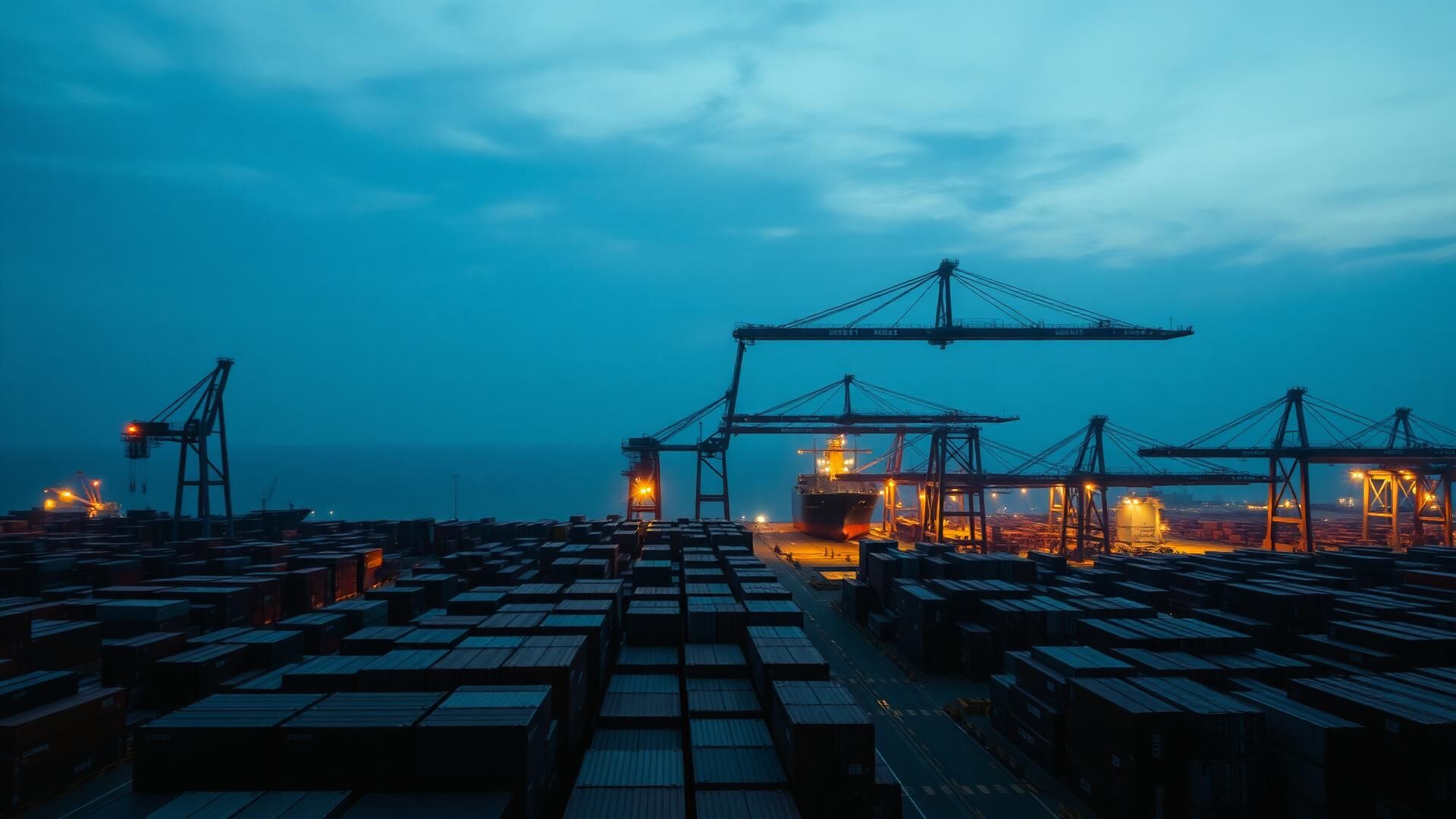

Customs clearance in Mexico is a formal, document-driven process. It is not negotiable and it is not fast when preparation is weak. Importers who understand the sequence in advance clear predictably; importers who improvise pay storage, inspection and penalty costs.
Here is the process, step by step, and what can go wrong at each stage.
Step 1: Register as an importer
Before anything moves, the Mexican importer of record must be active in the Padrón de Importadores, with a valid RFC, current tax status and electronic signature (e.firma). Certain product categories — steel, textiles, chemicals, footwear, alcohol, tobacco and others — additionally require registration in the corresponding padrón sectorial.
This registration cannot be arranged while cargo sits at the port. Confirm it before the first purchase order.
Step 2: Classify the goods correctly
Every product receives a tariff code under the Mexican tariff schedule. Classification determines the duty rate, the IVA treatment, and whether non-tariff regulations apply — NOM labeling standards, sanitary permits, environmental authorizations, or import quotas.
Classification is a technical judgment, not a guess. Get it agreed with your customs broker in writing before the shipment departs, and keep the reasoning on file. Misclassification is one of the most frequently penalized errors, and correcting it retroactively is expensive.
Step 3: Prepare the document set
A standard import file includes:
- Commercial invoice with complete description, value, currency and Incoterm
- Packing list consistent with the invoice
- Bill of lading or air waybill
- Certificate of origin when claiming USMCA or another preference
- Permits, NOM certificates or sectoral authorizations where required
- Proof of payment of duties and taxes
Every inconsistency between these documents is a reason for review. Consistency is worth more than speed.
Step 4: The pedimento
The pedimento is the official import declaration prepared and transmitted by the licensed customs broker or authorized legal representative. It consolidates classification, value, origin, transport data, duties, IVA and DTA. It is also your legal record of the import, and it must be retained.
Review the draft pedimento before transmission. Once filed, corrections require formal rectification.
Step 5: Payment of duties and taxes
Before release, the importer pays the applicable duty (often zero under USMCA when origin is properly documented), IVA on the customs value, the DTA processing fee, and any countervailing or special duties. Budget IVA as a cash-flow item even when it is later creditable.
Step 6: Inspection — the red light
Mexican customs uses an automated selection mechanism. A green result releases the shipment; a red result sends it to physical inspection. Inspection is routine, not an accusation, but it consumes time and can generate storage charges.
You reduce inspection exposure — you never eliminate it — by declaring accurately, describing goods specifically, valuing correctly, keeping documents consistent, and maintaining a clean compliance history.
Step 7: Release and delivery
After release, the cargo moves from the customs area to your facility. Watch free-time windows closely: demurrage at the port and detention on equipment start accruing quickly, and these charges are the most common avoidable cost in the whole process.
What changed with the 2026 customs reform
The customs law reform raises the compliance bar: stronger obligations on importers, greater shared responsibility for customs brokers, tighter documentation standards, and more attention to valuation and origin. Practically, this means the informal approach that worked for some importers years ago now creates real legal and financial exposure. Recordkeeping and internal controls matter as much as the clearance event itself.
A short pre-shipment checklist
- Importer registered, including sectoral registry if required
- Tariff classification confirmed in writing
- Origin criterion documented if claiming preference
- Invoice, packing list and transport document fully consistent
- NOM and permit requirements verified for the product
- Duties, IVA and DTA budgeted
- Delivery and free-time plan agreed before arrival
If every box is checked before departure, clearance becomes an administrative step. If any box is unchecked, it becomes a problem that surfaces at the worst possible moment.
Flux Forwarders coordinates customs clearance in Mexico with licensed customs brokers and reviews the document set before cargo moves. To have your import file reviewed, contact us or request a quote.