
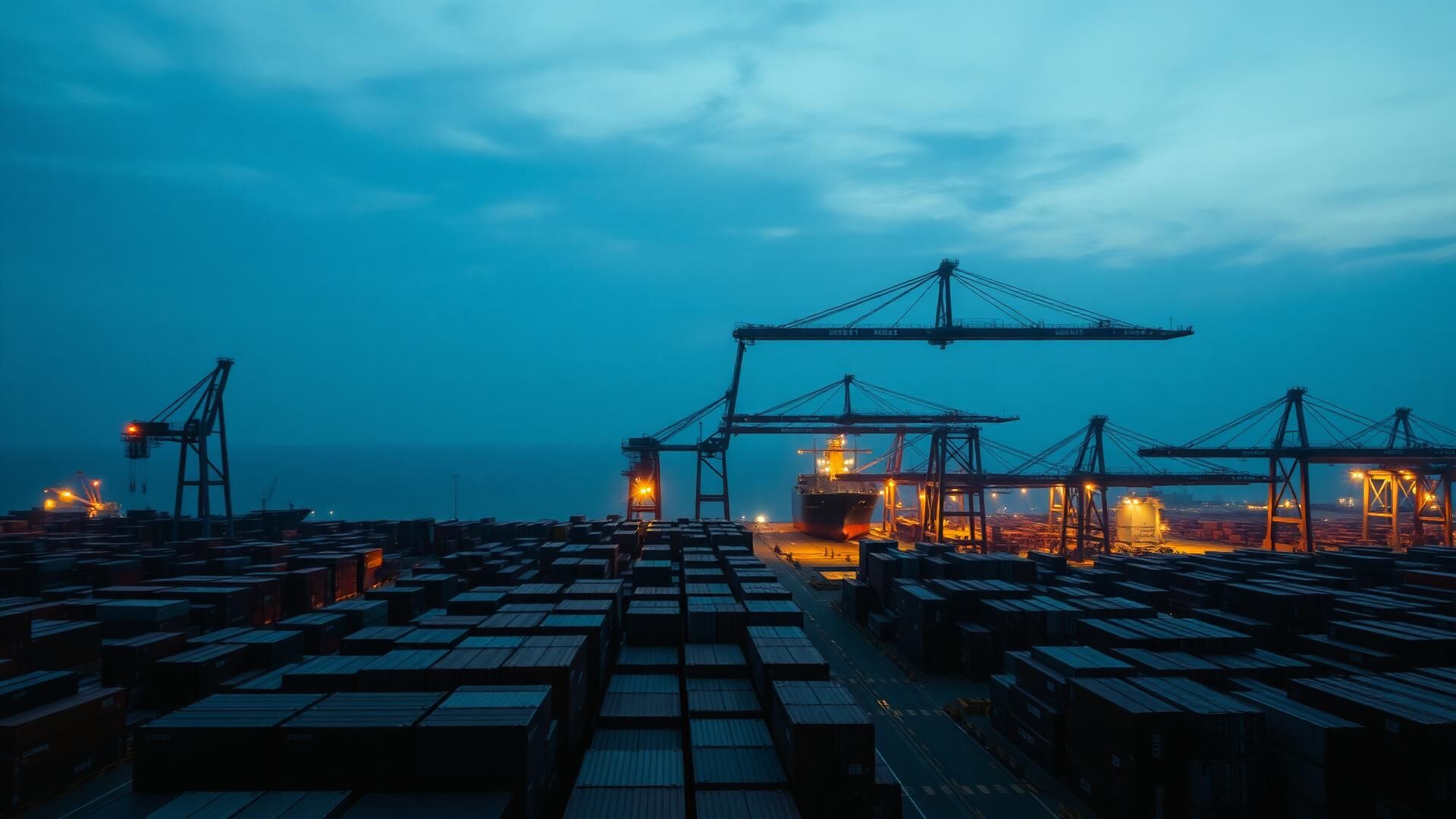
A freight forwarder in Mexico is the company that plans, books, documents and controls the international movement of your cargo from origin to final delivery. A forwarder does not own the ships, aircraft or trucks. What a forwarder owns is the coordination: carrier selection, routing, documentation, customs coordination, insurance, tracking and problem-solving when something goes wrong.
For companies trading with Mexico in 2026, that coordination is the difference between predictable landed cost and constant surprises. Below is a practical guide to what a Mexican freight forwarder actually does, when you need one, how pricing works, and how to evaluate a partner before you commit volume.
What a freight forwarder in Mexico actually does
A complete forwarding scope usually includes:
- Routing and mode selection. Ocean, air, full truckload, LTL, rail or a combination, based on cost, transit time and cargo characteristics.
- Booking and carrier management. Space, equipment, sailing schedules and contingency options when a vessel rolls or a flight is cancelled.
- Documentation. Commercial invoice, packing list, bill of lading or air waybill, certificates of origin, permits (NOMs, sanitary, SEMARNAT, SEDENA when applicable).
- Customs coordination. Working with the licensed Mexican customs broker (agente aduanal) to classify goods, prepare the pedimento and clear the shipment.
- Inland transport and delivery. Drayage from port or border, final delivery to plant or warehouse.
- Cargo insurance. Carrier liability is limited; separate all-risk coverage is usually worth the premium.
When do you need a freight forwarder?
You probably need one when at least one of these is true: you ship internationally more than a few times a year, your cargo crosses a customs border, you are importing into Mexico for the first time, your product requires permits or NOM compliance, or your current shipments keep arriving late and over budget without a clear explanation.
If you only ship small parcels occasionally, an integrator may be enough. Once you move pallets, containers or regulated goods, a forwarder pays for itself.
How freight forwarding pricing works
A serious quote is not a single number. It is a structure:
- Freight cost — the base rate per container, per kilo (chargeable weight) or per truck.
- Origin charges — pickup, export handling, terminal fees, export documentation.
- Destination charges in Mexico — terminal handling, demurrage and detention risk, drayage, storage.
- Customs — duties, IVA, DTA, customs broker fees, any permits.
- Surcharges — fuel, peak season, war risk, currency adjustment.
Ask every provider for the same structure and the same Incoterm. Comparing a door-to-door DDP price against a port-to-port FOB price is the most common reason importers believe they got a bargain and then receive an unexpected invoice.
Rules of origin and USMCA still decide your duty
Under the USMCA, preferential treatment depends on whether your product meets the rule of origin for its tariff classification — not on where the shipment departed. In 2026, with the treaty under review and regional content under closer scrutiny, origin documentation deserves the same attention as the freight rate. A forwarder that cannot discuss HS classification and origin criteria with you is not managing your real exposure.
How to evaluate a freight forwarder in Mexico
Use these questions before awarding business:
- Which lanes and modes do you handle directly, and which do you subcontract?
- Who is the licensed customs broker you work with, and at which ports of entry?
- How do you quote — all-in landed cost or freight only?
- How long is the quote valid, and which surcharges can change inside that window?
- What is your escalation process when a container is held at customs?
- What tracking and reporting do I receive, and how often?
- What cargo insurance do you offer and what is excluded?
The answers tell you whether you are hiring a rate broker or an operational partner.
Common lanes and realistic transit expectations
Asia to Manzanillo or Lázaro Cárdenas by ocean typically runs several weeks port to port, plus clearance and inland transport. U.S. cross-border truck moves into central Mexico are usually measured in days, with border processing as the main variable. Air freight compresses transit dramatically but is priced on chargeable weight and is highly sensitive to fuel and capacity — as 2026 has repeatedly shown.
The practical rule: never plan production on best-case transit. Plan on realistic transit plus a customs buffer, and use air only where the inventory math justifies it.
Where Flux Forwarders fits
Flux Forwarders is headquartered in Zapopan, Jalisco, and coordinates air, ocean and land freight worldwide through a network of vetted agents and licensed Mexican customs brokers. We work on landed-cost transparency: one quote structure, one point of contact, and documentation reviewed before the cargo moves — not after it is held.
If you are importing into or exporting from Mexico and want a clear comparison against what you pay today, request a quote or contact our team.